Tissue culture and media preparation
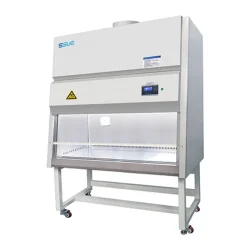
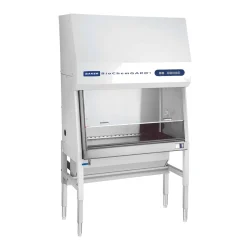
Type A2
Class II is the cabinet you will find in almost every cell culture room, and the one most often mis-specified. All four sub-types protect you, the sample and the room. What separates them is where the air goes after it leaves the work zone — and that single difference decides whether you need ductwork, make-up air, and a different certification route. Type A2 recirculates 70% of the air through the supply filter and exhausts 30% back into the room. Type B1 sends roughly 70% to a dedicated duct and recirculates 30%. Type B2 exhausts 100% and never recirculates. Type C1 can be switched between A2 and B2 behaviour, which suits laboratories that do occasional chemical work in a biology cabinet. Use the comparison below to narrow the choice, then open the sub-type page for dimensions, airflow figures and the configurations we hold in stock.
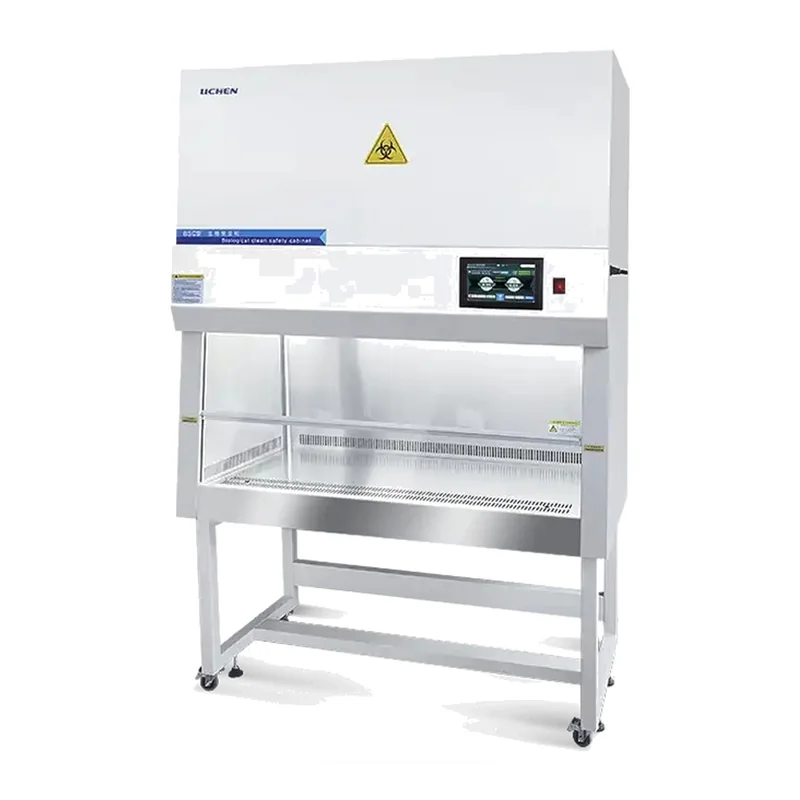
Choose a subcategory to narrow your selection. Product lists are shown on categories without further subcategories.
All four sub-types share the work zone, filter class, blower and control architecture. The exhaust plenum and the damper arrangement are what change, which keeps spares and training common across your fleet.
The protocol decides the sub-type; the room decides whether it is practical.
Type A2
Type A2 with a 12 in sash opening
Type A2 with pressure monitoring
Type B2
Type B1 or C1
Read the exhaust column first. Everything else — ducting, room pressure, installation cost — follows from it.
Volatile toxic chemicals and radionuclides must not be recirculated into the room. If your protocol includes them, A2 is the wrong cabinet whatever the budget.

Product names, model numbers, SKUs and option identifiers keep quotations, orders and internal records aligned.
Documentation and inspection requirements are confirmed against the selected product and order.

Every cabinet is run and measured, not sampled.
You get the same filter class, the same control interface and the same documentation whether the cabinet recirculates or exhausts, so a mixed laboratory does not need two sets of procedures.
Choose the format that suits your application, workload and handling requirements.
| Type | Capacity / Option | Material / Specification | Suitable Application | Storage / Handling |
|---|---|---|---|---|
| A2 vs B1 vs B2 vs C1 | By selected product | Product-specific configuration | Confirm with our team | Follow product guidance |
| Exhaust percentage and ducting | By selected product | Product-specific configuration | Confirm with our team | Follow product guidance |
| Certification standard | By selected product | Product-specific configuration | Confirm with our team | Follow product guidance |
| Sash height and ergonomics | By selected product | Product-specific configuration | Confirm with our team | Follow product guidance |
| Control system and alarms | By selected product | Product-specific configuration | Confirm with our team | Follow product guidance |
Follow the product manual and site procedures for safe installation, use and maintenance.
Confirm model, options and supplied components.
Read installation and safety instructions before use.
Confirm space, utilities and operating conditions.
Follow cleaning, inspection and maintenance guidance.

Products frequently compared within this catalog.
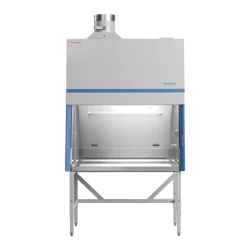
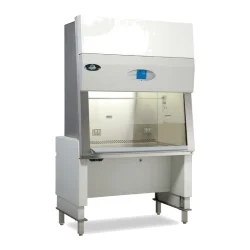
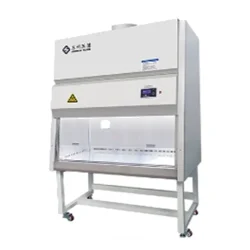
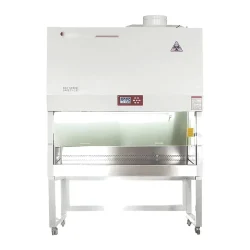
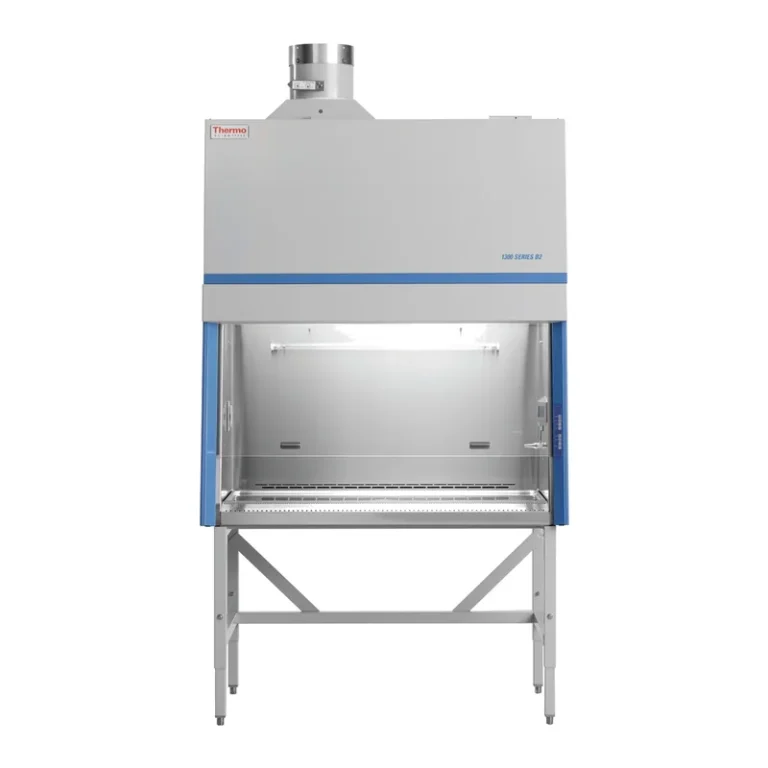
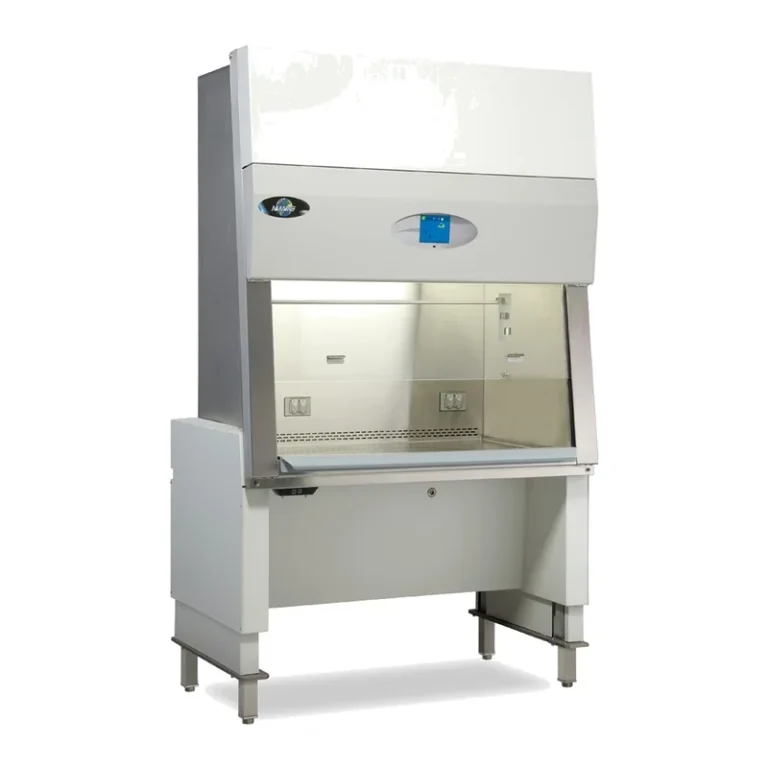
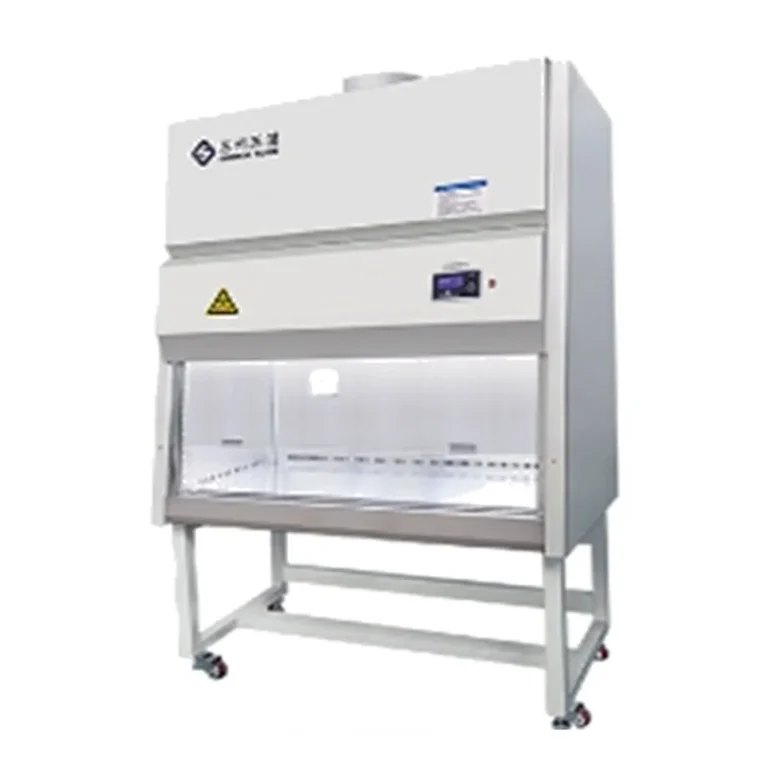
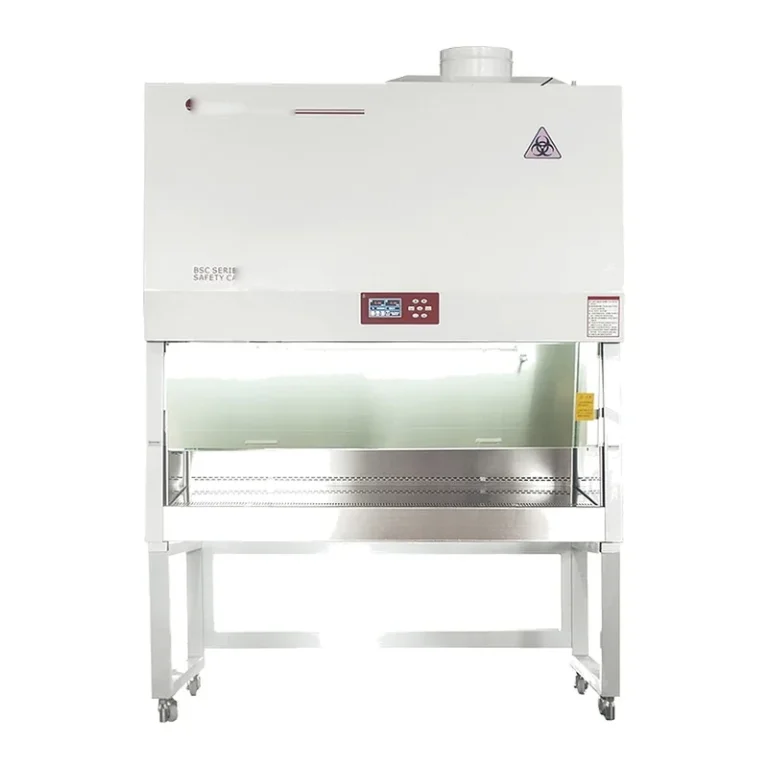
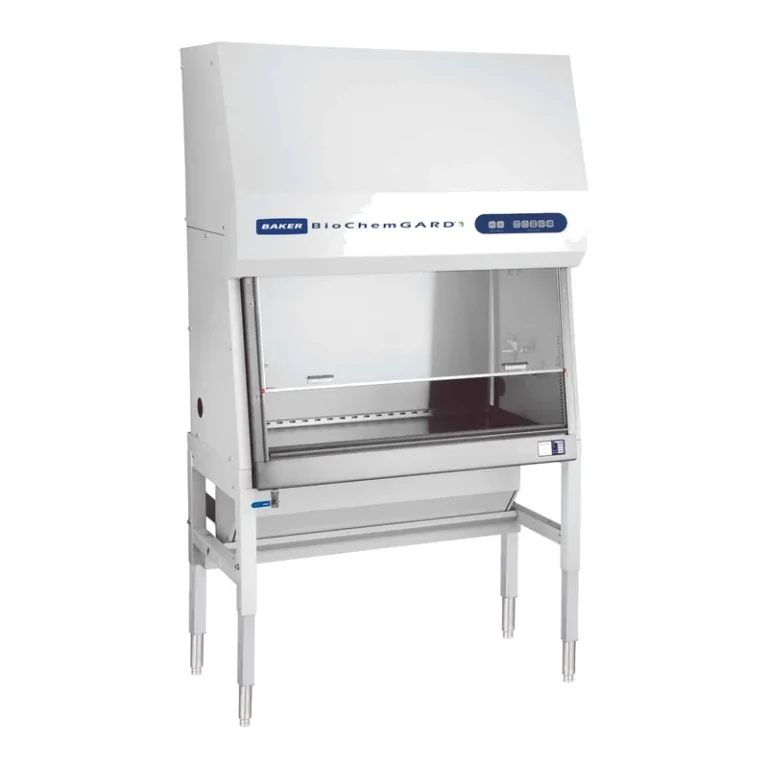
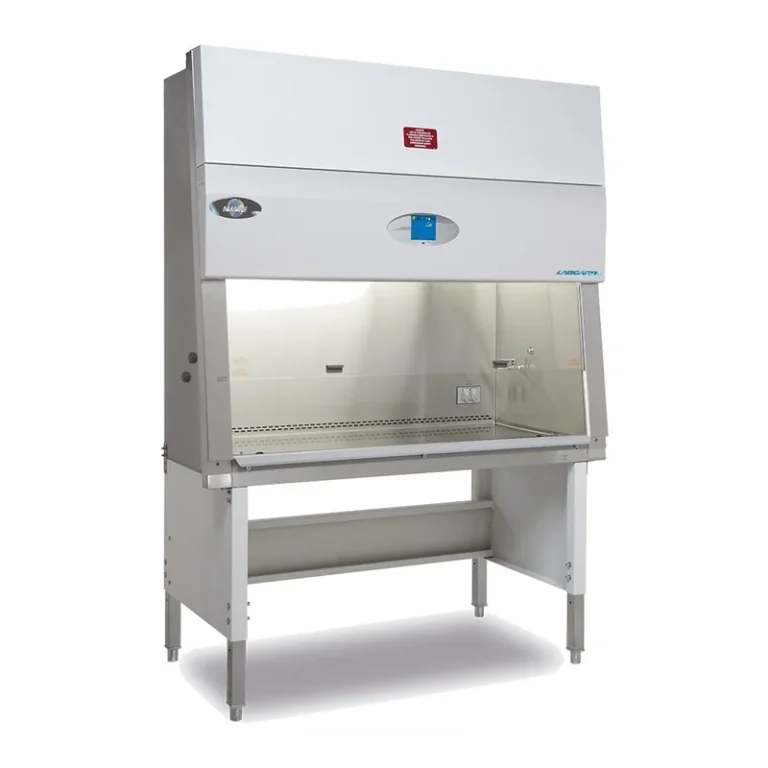
Add category-specific video covers, titles, durations and video URLs in the Videos ACF section.
The questions buyers ask most often when specifying Class II Biosafety Cabinets, answered by our technical team.
Type A2 recirculates 70% of the filtered air and exhausts 30% into the room, so it needs no ducting. Type B2 exhausts 100% of the air through a hard duct to atmosphere and recirculates nothing, which is why it is required for cytotoxic drugs and volatile toxic chemicals.
No. A B2 cabinet moves its full exhaust volume outside the building and will not hold containment without a correctly sized duct and make-up air. Budget for the duct run, the roof or wall penetration and the room air balance before you order.
For non-hazardous sterile compounding under USP 797, a Type A2 with pressure-based monitoring is normally sufficient. For hazardous drugs under USP 800, specify Type B2 total exhaust.
Send us the agents, the volumes and the room drawing. We will tell you which sub-type holds containment, and what the installation will require.