Mixed exhaust for chemistry inside a biology cabinet
Class II Type B1 Biosafety Cabinets
WSHLab’s Type B1 Biosafety Cabinet combines biological containment with limited use of volatile toxic chemicals in the directly exhausted work zone. This Class II Type B1 BSC exhausts approximately 70% of air through dedicated ducting and recirculates 30%, with pressure-sensor monitoring to support airflow control.
- 1Products
- 0Direct categories
- Technical support
-
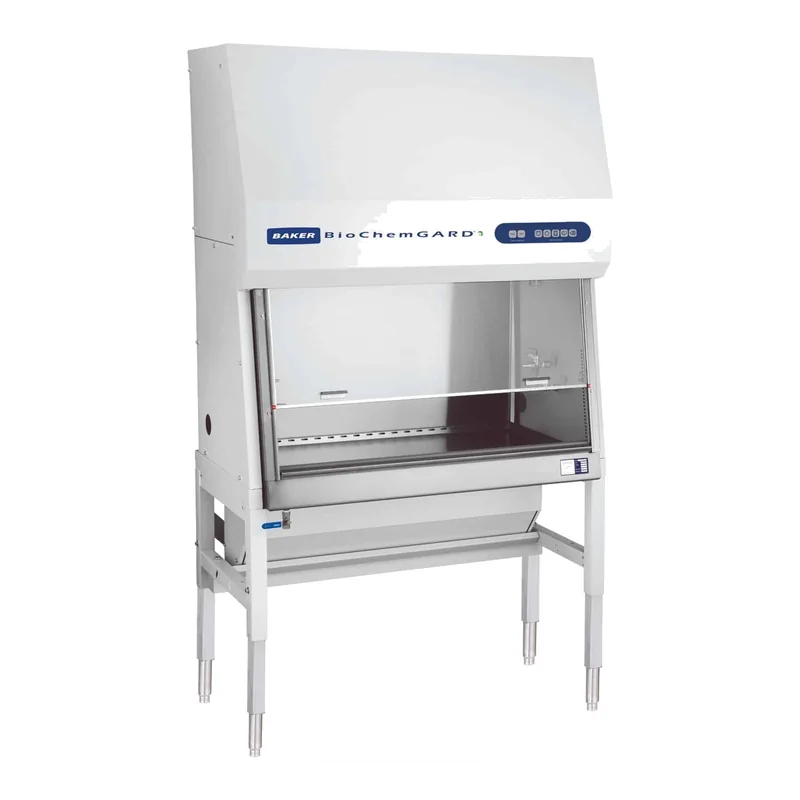
WSHLab B1 Hybrid Exhaust Biosafety Cabinet
- Airflow class
- Class II Type B1 — about 70% ducted exhaust, 30% recirculated
- Downflow velocity
- 0.33 ± 0.025 m/s
- Inflow velocity
- 0.53 ± 0.025 m/s
- Exhaust connection
- Dedicated duct, 4 in / 100 mm collar
Price on request
TECHNICAL DATA
B1 mixed exhaust architecture
A dedicated duct removes roughly seventy per cent of the air; the remainder passes through the supply filter and returns to the work zone. A pressure sensor holds the split as filter resistance changes.
Class II Type B1 Biosafety Cabinets
View ProductWSHLab B1 Hybrid Exhaust Biosafety Cabinet
- Airflow class
- Class II Type B1 — about 70% ducted exhaust, 30% recirculated
- Downflow velocity
- 0.33 ± 0.025 m/s
- Inflow velocity
- 0.53 ± 0.025 m/s
- Exhaust connection
- Dedicated duct, 4 in / 100 mm collar
- Filter
- ULPA U15, 99.9995% at 0.12 µm, supply and exhaust
- Working width
- 4 ft / 1.2 m
- External dimensions
- 1300 × 800 × 2250 mm (W × D × H)
- Internal dimensions
- 1150 × 600 × 660 mm (W × D × H)
- Power
- 1800 VA maximum, 230V single phase
- Noise
- ≤65 dB(A)
- Certification
- CE, UKCA, EN 12469
- Width
- 4 ft / 1.2 m
- Work Access Opening
- 8 in / 203 mm
- Electrical
- 230V
- Performance Standard
- CE · EN-12469 · UKCA
- Application
- Volatile Chemical Work
- Control System
- Pressure Sensor
Applications
Typical B1 applications
Small-volume volatile chemistry inside a biological workflow.
Small-volume solvent handling with cell work
Method development laboratories
Pilot-scale process development
PERFORMANCE & SELECTION
How the 70/30 split is held
A pressure sensor compares the plenum pressure against the duct static pressure and trims the blower, so the split does not drift as the filters load or the duct pressure changes.
- About 70% of the air leaves through the duct
- About 30% returns to the work zone through the supply filter
- Pressure sensor with audible and visual alarm
- Duct connection sized to the declared exhaust volume

CONFIGURATION & COMPATIBILITY
What B1 can and cannot take
B1 is for small volumes of volatile toxic chemicals, not for cytotoxic drug preparation or large solvent evaporations.
- Suitable: tracer chemistry, small solvent volumes, radionuclide tracers
- Not suitable: cytotoxic API, USP 800 compounding
- Not suitable: continuous large-volume evaporation
- Check the exhausted volume against your worst-case evaporation rate

IDENTIFICATION & TRACEABILITY
Clear Product Identification & Specification
Product names, model numbers, SKUs and option identifiers keep quotations, orders and internal records aligned.
- Product and model identification
- Option-specific SKU information
- Consistent quotation specifications
PRODUCT IDENTIFICATIONClass II Type B1 Biosafety Cabinets
- Catalog
- Safety & compliance
- Products
- 1
- Selection
- Specification-led
Traceability
Traceable Supply & Quality Inspection
Documentation and inspection requirements are confirmed against the selected product and order.
- Product identification records
- Pre-delivery checks
- Documents available on request

Quality system
Choose the Right Class II Type B1 Biosafety Cabinets Specification
Compare the specifications that determine application fit and acceptance.
70% ducted
TYPICAL APPLICATIONSelection guidance for laboratory, quality and procurement teams.
QUALITY CHARACTERISTICSConfirm the exact requirement before ordering30% recirculated
TYPICAL APPLICATIONSelection guidance for laboratory, quality and procurement teams.
QUALITY CHARACTERISTICSConfirm the exact requirement before orderingVolatile chemicals with biological agents
TYPICAL APPLICATIONSelection guidance for laboratory, quality and procurement teams.
QUALITY CHARACTERISTICSConfirm the exact requirement before orderingDedicated duct required
TYPICAL APPLICATIONSelection guidance for laboratory, quality and procurement teams.
QUALITY CHARACTERISTICSConfirm the exact requirement before orderingPressure-based airflow control
TYPICAL APPLICATIONSelection guidance for laboratory, quality and procurement teams.
QUALITY CHARACTERISTICSConfirm the exact requirement before orderingWhy WSHLab
Where B1 makes sense
One cabinet that covers a mixed biology and chemistry protocol, with a smaller duct and lower make-up air demand than a B2.
Mixed exhaust, about 70% ducted
Pressure sensor with airflow alarm
ULPA U15 supply and exhaust filters
304 stainless steel work zone
Duct connection sized on the datasheet
OPTIONS & SPECIFICATIONS
Class II Type B1 Biosafety Cabinets Options & Specifications
Choose the format that suits your application, workload and handling requirements.
70% ducted
30% recirculated
Volatile chemicals with biological agents
Dedicated duct required
Pressure-based airflow control
| Type | Capacity / Option | Material / Specification | Suitable Application | Storage / Handling |
|---|---|---|---|---|
| 70% ducted | By selected product | Product-specific configuration | Confirm with our team | Follow product guidance |
| 30% recirculated | By selected product | Product-specific configuration | Confirm with our team | Follow product guidance |
| Volatile chemicals with biological agents | By selected product | Product-specific configuration | Confirm with our team | Follow product guidance |
| Dedicated duct required | By selected product | Product-specific configuration | Confirm with our team | Follow product guidance |
| Pressure-based airflow control | By selected product | Product-specific configuration | Confirm with our team | Follow product guidance |
Delivery and site
Class II Type B1 Biosafety Cabinets Handling & Care Guide
Follow the product manual and site procedures for safe installation, use and maintenance.
- 01
Check Product & Accessories
Confirm model, options and supplied components.
- 02
Review Product Documentation
Read installation and safety instructions before use.
- 03
Prepare the Working Environment
Confirm space, utilities and operating conditions.
- 04
Plan Routine Care
Follow cleaning, inspection and maintenance guidance.

RECOMMENDATIONS
Related Products
Products frequently compared within this catalog.
GALLERY
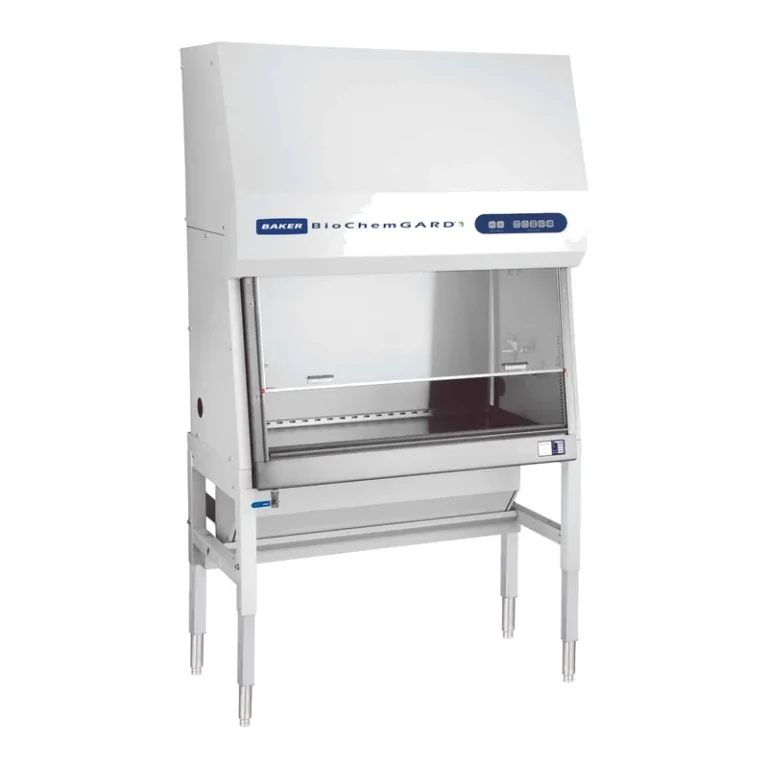
Applications & Facilities Gallery
VIDEOS
Manufacturing & Quality Process
Category video library
Add category-specific video covers, titles, durations and video URLs in the Videos ACF section.
QUESTIONS & ANSWERS
Class II Type B1 Biosafety Cabinets: frequently asked questions
The questions buyers ask most often when specifying Class II Type B1 Biosafety Cabinets, answered by our technical team.
Can a Type B1 cabinet be converted to B2 later?
Not on site. The exhaust plenum, damper and blower are different, and the conversion would invalidate the certification. If future cytotoxic work is likely, specify B2 now.
Does B1 recirculate chemicals into the room?
About 30% of the air is recirculated, so a small fraction of what evaporates in the work zone returns over the work surface. That is why B1 is limited to small volumes of volatile toxic chemicals.
GET A QUOTATION
Check whether B1 is enough
Tell us the chemical, the volume evaporated per run and the biological agent. We will tell you whether B1 holds containment or whether the protocol needs B2.