Size the process correctly
Match chamber or platform capacity to typical and peak batches without unnecessary oversizing.
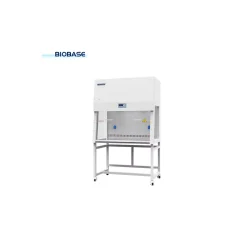
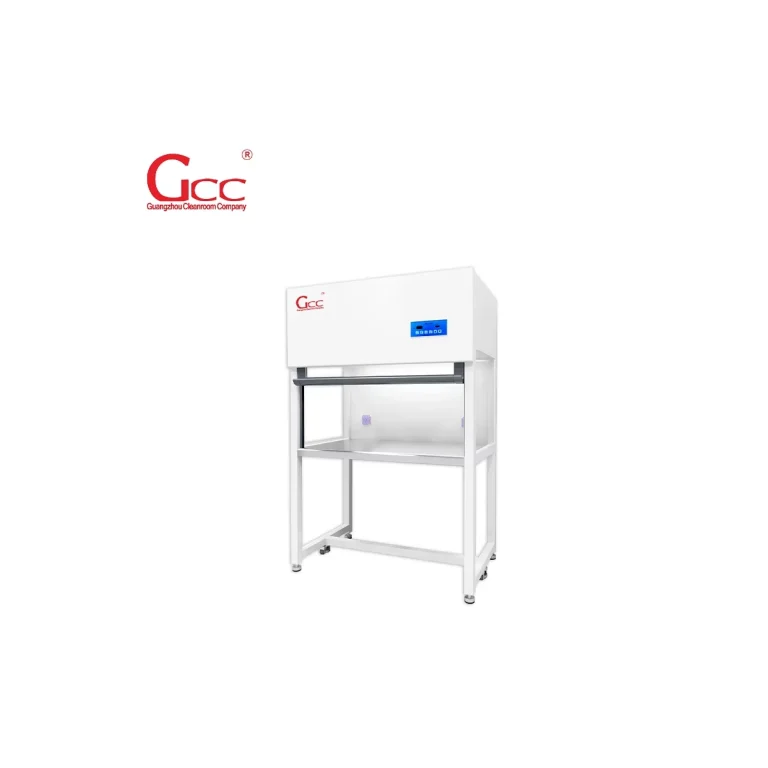
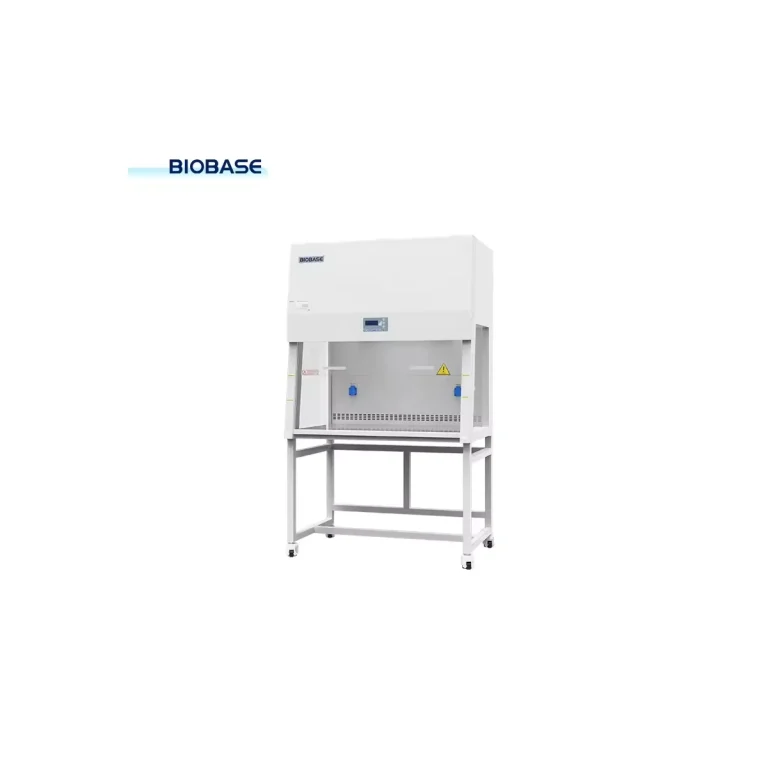
Vertical laminar flow hoods direct filtered air downward from an overhead filter toward the work surface. This arrangement supports a clear front working opening and is commonly evaluated for benches where containers, instruments or assembly operations benefit from top-to-bottom coverage. Work-zone layout still matters: large items can block downward airflow, and front access, sash design and internal height affect day-to-day handling. The category covers compact VD cabinets, BIOBASE BBS models, multi-person SW-CJ configurations and documented vertical workstation families from AirClean, NuAire, Esco and Air Science. These products should not be treated as interchangeable simply because they share a vertical airflow description or a generic model code. Compare usable internal dimensions, workstation capacity, side-wall and worktop materials, controls and filter-monitoring features using the parameters attached to each source. Electrical options and dimensional conventions also vary, so confirm the exact configuration before ordering. Vertical clean benches in this category are positioned for suitable non-hazardous product, sample and process protection; they are not represented as containment devices for hazardous substances.Selling pointsDownward filtered airflow over the work surfaceCompact, wide and multi-person configuration pathwaysMultiple documented international workstation familiesBrand-separated specifications for generic SW-CJ and VD model namesCommon selection challengesInternal height and sash opening can limit tall vessels or instrumentsSingle-side and double-side layouts affect installation and operator accessMulti-person descriptions do not guarantee identical working dimensionsRelated models and exact models can be confused in public listingsSelection guideUse both the work-zone geometry and operator arrangement to select a vertical cabinet.Confirm that downward airflow suits the placement and handling of the items used in the process.Record required internal width, depth and height, including clearance for tall equipment and front access.Select single- or multi-person and single- or double-side configurations based on the actual room layout.Compare source-specific filtration, controls, materials and electrical options for the intended brand.Distinguish exact model evidence from series or related-category references when reviewing price and specifications.FAQWhat is the main airflow difference in a vertical clean bench?Filtered air travels downward from the overhead filtration area toward the work surface, rather than horizontally from the rear toward the operator opening.What should I check for a double-sided workstation?Confirm the documented access arrangement, internal dimensions, room clearance and workflow on both sides. Do not infer double-sided access from a generic series name alone.Are wide related models exact matches for a requested capacity?No. A related model may match capacity or airflow style but still have a different model code and dimensions. Related matches are labeled separately in the catalog data.Does vertical downflow provide operator protection?It should not be assumed to provide operator or environmental protection. These products are presented for appropriate non-hazardous product and process protection; perform a risk assessment for the actual material.
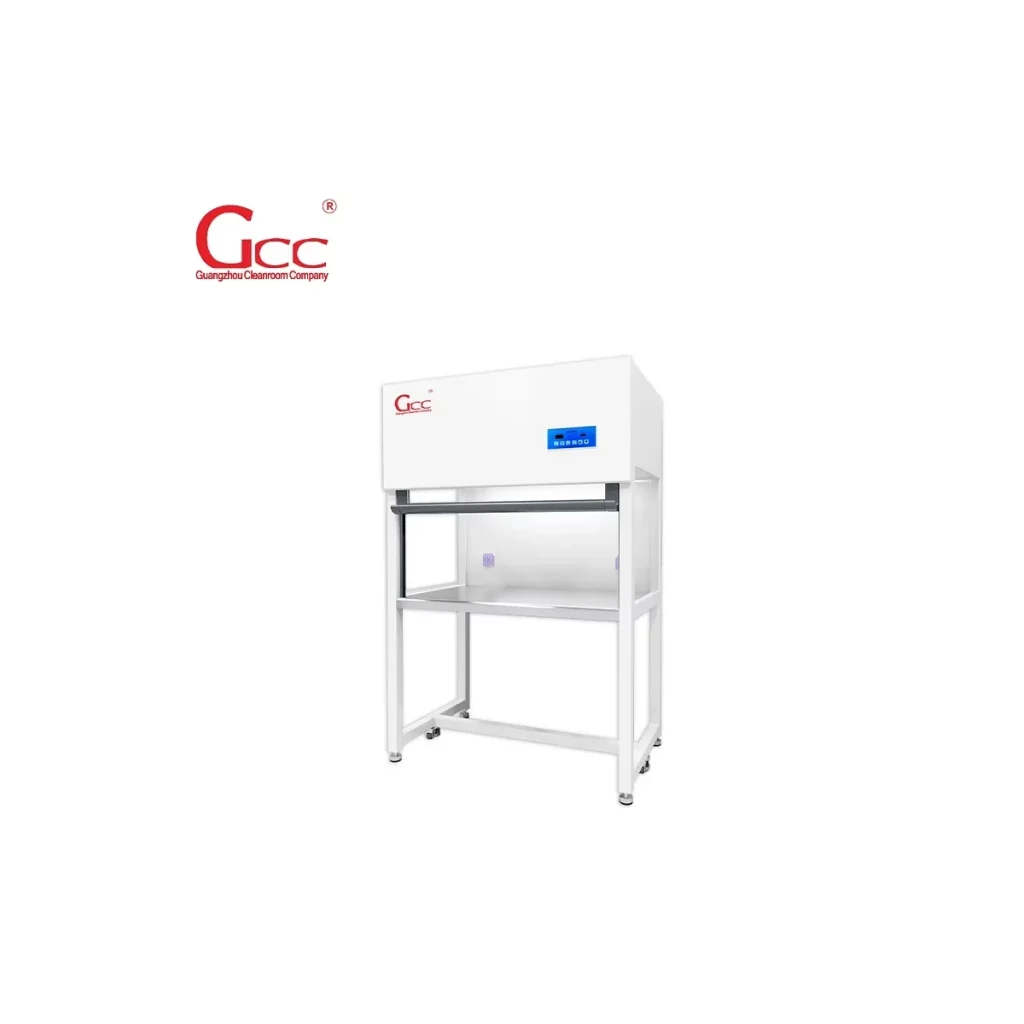 Laboratory equipment
SKU: WSHLAB-P010
SKU: WSHLAB-P008
SKU: WSHLAB-P013
SKU: WSHLAB-P030
SKU: WSHLAB-P014
SKU: WSHLAB-P009
Select a product to view its specifications, available options and technical documents.
Application-led selection for real laboratory workflows.
Match chamber or platform capacity to typical and peak batches without unnecessary oversizing.
Review the speed, temperature, uniformity and timer parameters that affect the process.
Check utilities, ventilation, access and the physical footprint before ordering.
Evaluate cleaning, preventive maintenance, consumables and service access.
Match chamber or platform capacity to typical and peak batches without unnecessary oversizing.

Review the speed, temperature, uniformity and timer parameters that affect the process.

Product names, model numbers, SKUs and option identifiers keep quotations, orders and internal records aligned.
Documentation and inspection requirements are confirmed against the selected product and order.

Compare the specifications that determine application fit and acceptance.
Selection guidance for laboratory, quality and procurement teams.
QUALITY CHARACTERISTICSConfirm the exact requirement before orderingSelection guidance for laboratory, quality and procurement teams.
QUALITY CHARACTERISTICSConfirm the exact requirement before orderingSelection guidance for laboratory, quality and procurement teams.
QUALITY CHARACTERISTICSConfirm the exact requirement before orderingSelection guidance for laboratory, quality and procurement teams.
QUALITY CHARACTERISTICSConfirm the exact requirement before orderingDefined specifications and order-level checks.
Documents support selection and compliance.
Configurations for bench, pilot and production needs.
Guidance on specification and application matching.
Support for recurring and project orders.
Shipping requirements reviewed for each order.
Choose the format that suits your application, workload and handling requirements.
| Type | Capacity / Option | Material / Specification | Suitable Application | Storage / Handling |
|---|---|---|---|---|
| Capacity & throughput | By selected product | Product-specific configuration | Confirm with our team | Follow product guidance |
| Control performance | By selected product | Product-specific configuration | Confirm with our team | Follow product guidance |
| Installation | By selected product | Product-specific configuration | Confirm with our team | Follow product guidance |
| Maintenance | By selected product | Product-specific configuration | Confirm with our team | Follow product guidance |
Follow the product manual and site procedures for safe installation, use and maintenance.
Confirm model, options and supplied components.
Read installation and safety instructions before use.
Confirm space, utilities and operating conditions.
Follow cleaning, inspection and maintenance guidance.

Products frequently compared within this catalog.
Add category-specific video covers, titles, durations and video URLs in the Videos ACF section.
Tell us your required products, specifications and quantities. Our sales team will contact you with suitable supply options.