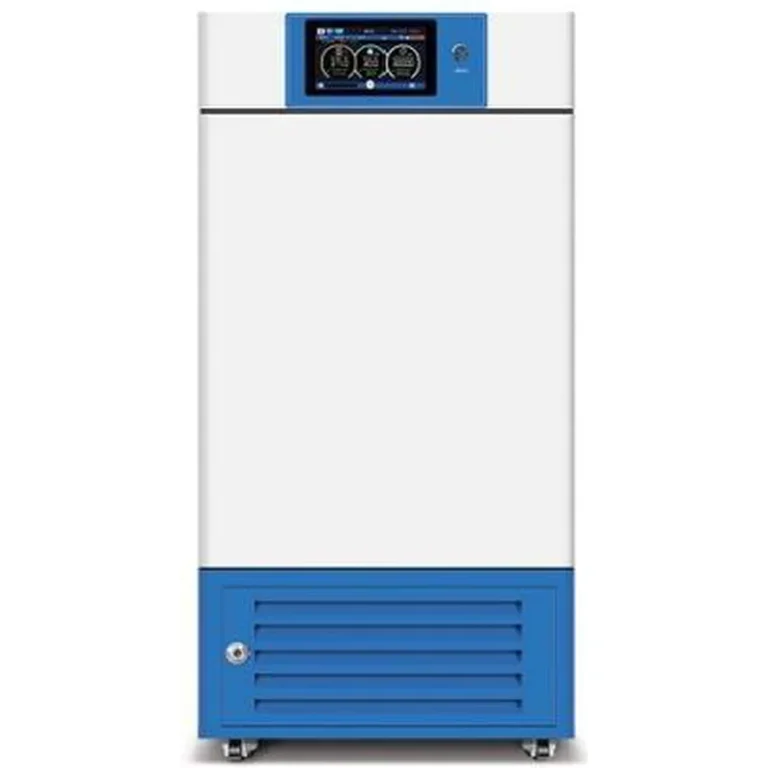
Temperature humidity testing — RHS-B and RHS-F chambers for conditioning, damp heat and thermal cycling
50L-1000L, 0-60°C, 40-95% RH
An environmental chamber is an engineered enclosure that recreates a set of conditions — temperature, humidity, light — and holds them steady for as long as your study runs: hours, weeks or the full shelf-life of a pharmaceutical batch. What changes between families is which variables are controlled and how tightly. That one question — what must stay constant, and for how long — is how WSHLab organises its entire environmental test chamber range. Four families cover the workflow. Temperature humidity chambers hold 0–60°C and 40–95% RH for conditioning, damp heat and thermal cycling studies, in benchtop sizes from 50L up to a 1000L floor-standing cabinet. Pharmaceutical stability test chambers add ICH Q1A(Q2) compliance, 10–65°C and up to 60,000 lux photostability for accelerated and long-term studies to 1025L. Climate chambers combine temperature, humidity and LED top light for ecological simulation. Growth chambers bring adjustable LED full-spectrum lighting to plant growth and seed germination protocols. Every WSHLab environmental chamber is built in our ISO 9001 facility, CE certified, and shipped with a factory test report covering setpoint accuracy, uniformity mapping and alarm verification. Capacities run from 50L to 1025L. If you already know the chamber type, jump to a family below; if you are specifying your first controlled environment chamber, start with the selection guide — it follows the same decision sequence our application engineers use on a real procurement call.
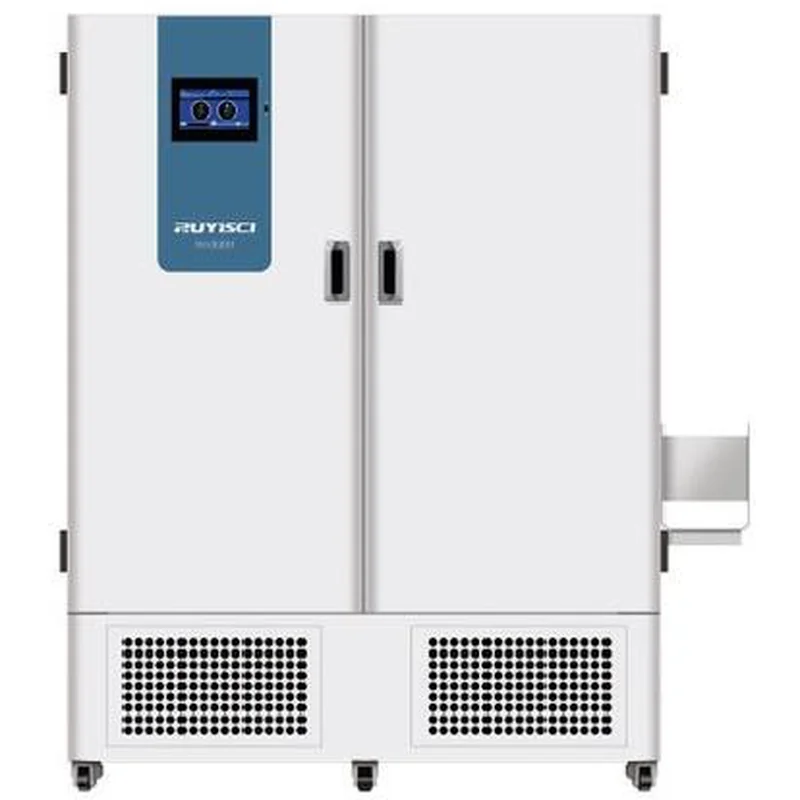
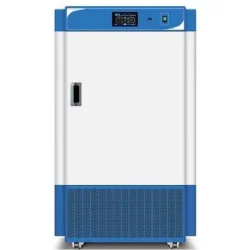
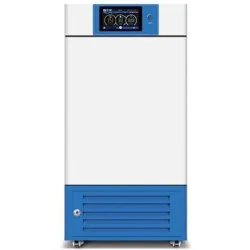
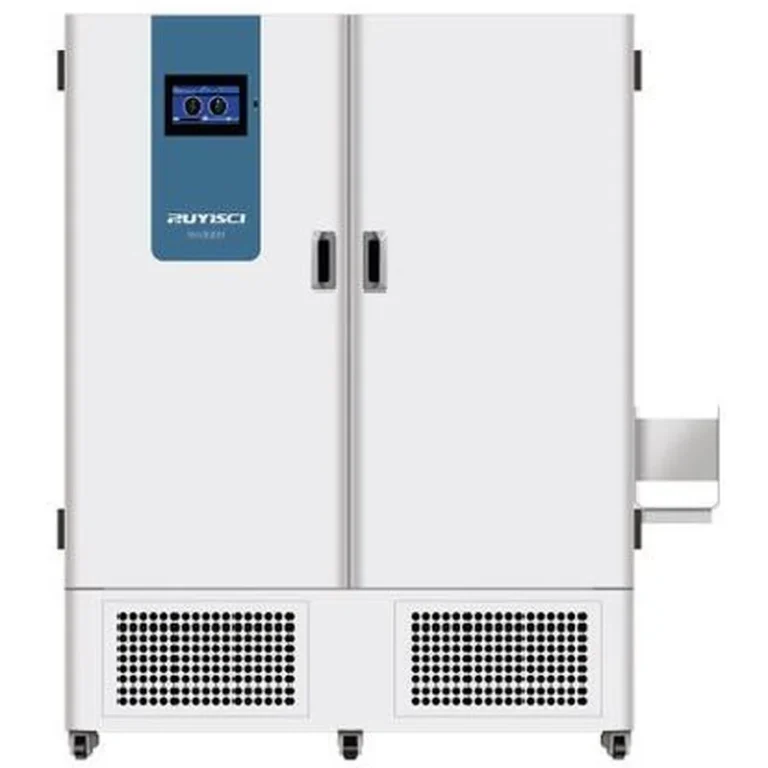
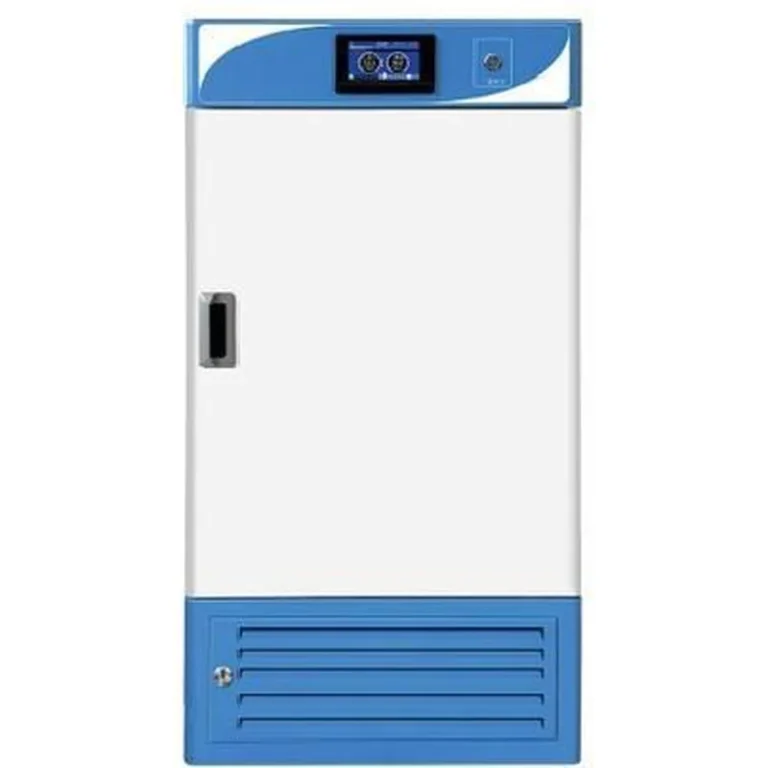
One architecture across four families: a 304 stainless chamber with rounded corners, dual-wall insulation, a balanced refrigeration and humidification circuit, and a microcomputer or 7-inch touchscreen controller with self-tuning PID, program segments and over-temperature protection. The differences between families are the controlled variables — light, photostability, ICH profiles — not accidents of a single design.
Four families, one documentation set — laboratories standardise on the platform and add capacity in the same format.
50L-1000L, 0-60°C, 40-95% RH
155L-1025L, 10-65°C, 60000 lux
150L-250L, 10-60°C
150L-400L, adjustable intensity
An environmental chamber — also called an environmental test chamber, climate chamber or controlled environment chamber — is an insulated enclosure whose temperature, humidity and sometimes lighting are regulated by a PID controller reading calibrated sensors. Unlike a simple incubator it is designed around uniformity and stability: every point in the workspace stays within specification, not just the sensor location, and every excursion is recorded.
The fastest route to the right chamber is to list the setpoints your protocol actually requires. Temperature and humidity — a temperature humidity chamber. Temperature and humidity to ICH Q1A(Q2) with photostability — a pharmaceutical stability chamber. Temperature, humidity and light for ecological work — a climate chamber or artificial climate cabinet. LED full-spectrum light for plants — a growth chamber. Each family shares the same controller platform, chamber finish and documentation set, so a laboratory can standardise across studies.

Product names, model numbers, SKUs and option identifiers keep quotations, orders and internal records aligned.
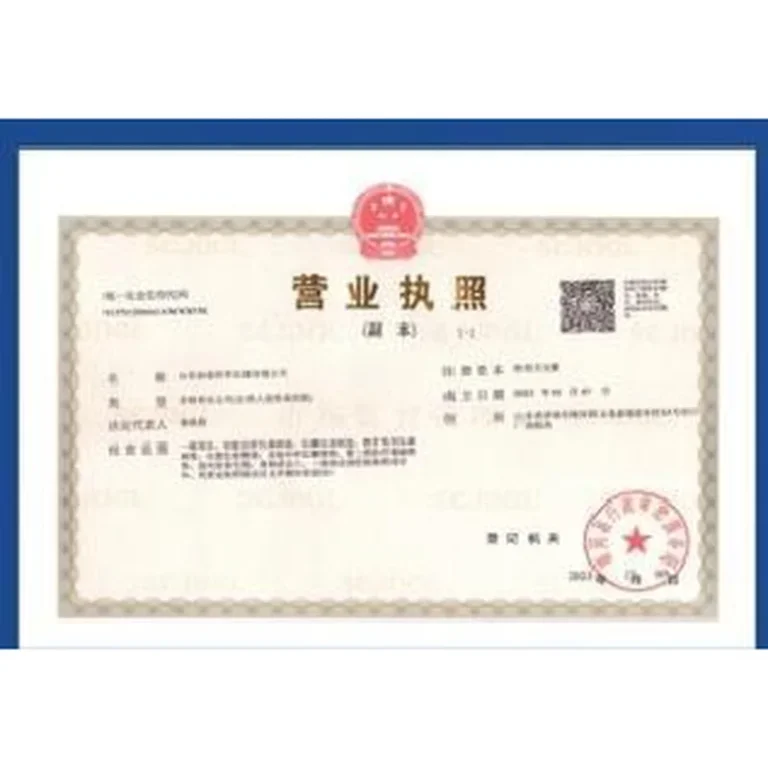
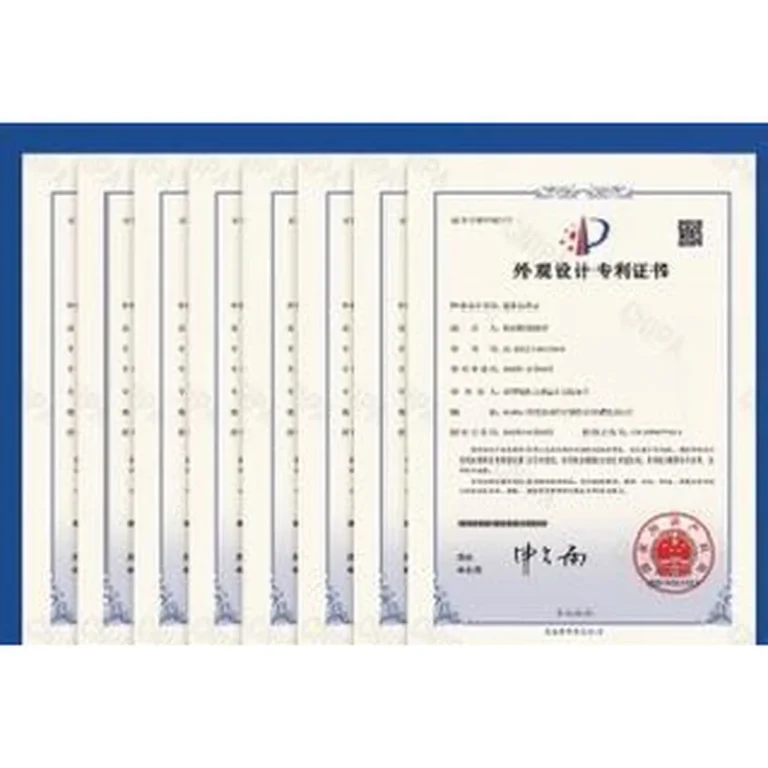
From sensor to shipping crate, every part of a WSHLab environmental chamber is traceable, and every unit ships with the paperwork a regulated lab will ask for.

Each environmental chamber is run and verified before packing: setpoint accuracy, uniformity mapping, refrigeration and humidification response, alarm functions and a final electrical safety check.
You get one control philosophy, one chamber architecture and one spare-parts list from a 50L benchtop chamber to a 1025L stability cabinet.
Choose the format that suits your application, workload and handling requirements.
| Type | Capacity / Option | Material / Specification | Suitable Application | Storage / Handling |
|---|---|---|---|---|
| Which variables your protocol controls: temperature, humidity or light | By selected product | Product-specific configuration | Confirm with our team | Follow product guidance |
| Capacity from a 50L benchtop chamber to a 1025L floor-standing cabinet | By selected product | Product-specific configuration | Confirm with our team | Follow product guidance |
| Whether the study is ICH Q1A(Q2), GMP or R&D environmental simulation | By selected product | Product-specific configuration | Confirm with our team | Follow product guidance |
| Uniformity and stability data, not just the setpoint on the label | By selected product | Product-specific configuration | Confirm with our team | Follow product guidance |
| Data export and audit trail for regulated documentation | By selected product | Product-specific configuration | Confirm with our team | Follow product guidance |
A floor-standing chamber arrives on a pallet, a benchtop model in a crate — both ready to run within an hour of uncrating.

Products frequently compared within this catalog.
The same ISO 9001 line that builds our laboratory ovens and incubators assembles every WSHLab environmental chamber, from the 50L benchtop to the 1025L stability cabinet.
Add category-specific video covers, titles, durations and video URLs in the Videos ACF section.
The questions buyers ask most often when specifying Environmental Chambers, answered by our technical team.
RHS temperature humidity chambers cover 0–60°C, RAC climate chambers and GZX growth chambers cover 10–60°C, and RDS stability chambers cover 10–65°C. All families hold ±0.5°C uniformity across the working volume.
Yes. RHS and RDS chambers regulate 40–95% RH with ±3% uniformity; RAC climate chambers add programmable humidification; GZX growth chambers are temperature and light focused.
Benchtop chambers run 50L, 100L and 150L; floor-standing chambers run 250L to 1000L; stability chambers run 155L to 1025L. Most laboratories mix one benchtop unit for method development with a floor-standing unit for production studies.
RDS stability test chambers are designed and documented against ICH Q1A(Q2) for accelerated and long-term stability testing, including photostability testing up to 60,000 lux, and support GMP documentation requirements.
Tell us the controlled variables, the temperature and humidity range and the capacity you need, and our application engineers will return a configuration with pricing within one working day. Multiple units, custom voltages and validation documents can be quoted together.