University and research labs — sterilized glassware for media and culture work
Flasks and pipettes dry, sterile and ready
A dry heat sterilizer kills with heat alone: hot air at 160°C for two hours, or 180°C for thirty minutes, raises the temperature of bacteria, spores and viruses past their protein-failure point with no steam, no chemicals and no moisture-sensitive residue. It is the method of choice for glassware, metal instruments, oils, powders and anything an autoclave would rust, wet or spoil. The WSHLab RDS dry heat sterilization oven is a hot air sterilizer built on our 304-stainless forced air platform: 70L, 136L and 210L chambers, up to 250°C, ±1°C uniformity at 100°C, and a digital timer with hold plus over-temperature alarm. The convection loop is sized for the long dwell times that sterilization demands — every item in the load spends the full cycle at temperature, not just the shelf near the sensor. Regulated and clinical sites should note the division of labour: dry heat for glassware, instruments and heat-stable materials; steam for wrapped fabric and rubber. The comparison below helps you decide which loads belong in which machine.
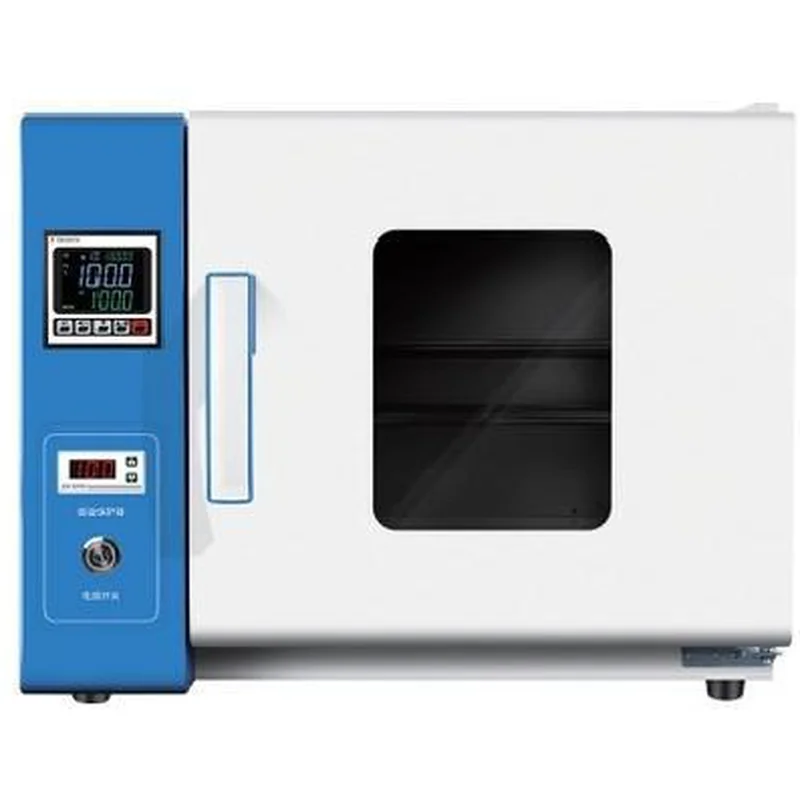
A 304 stainless forced-convection chamber tuned for long dwell cycles: PID control, timer with hold, over-temperature alarm and a door window for observation without breaking the cycle.
Clinical, dental and research loads that steam would rust, wet or spoil.
Flasks and pipettes dry, sterile and ready
180°C/30min loop between patients
Over-temp alarm and cycle-end buzzer for busy rooms
The only correct method for moisture-sensitive material
A dry heat oven sterilizer is a forced convection chamber engineered to hold a sterilization temperature across a full load for a validated time. The classic cycles are 160°C for 2 hours and 180°C for 30 minutes. Because there is no moisture, the process is ideal for borosilicate glassware, surgical instruments, powders and oily preparations that steam would spoil.

The RDS is first a glassware sterilizer: flasks, beakers, pipettes and petri dishes come out dry, sterile and ready to use — no drying step, no water spots, no autoclave tape residue. As an instrument sterilizer it handles forceps, scissors and burs that would dull or rust in steam.

Product names, model numbers, SKUs and option identifiers keep quotations, orders and internal records aligned.
The 180°C verification record is filed against the sterilizer's serial number, and calibration certificates are available for clinical documentation packs.

Every RDS runs a documented 180°C cycle with a nine-point load check before shipping — uniformity you can file, not just feel.
It is a drying oven that knows it is a sterilizer: every control function is built around validated cycles.
Choose the format that suits your application, workload and handling requirements.
| Type | Capacity / Option | Material / Specification | Suitable Application | Storage / Handling |
|---|---|---|---|---|
| Validated cycle time and temperature | By selected product | Product-specific configuration | Confirm with our team | Follow product guidance |
| Uniformity across the load | By selected product | Product-specific configuration | Confirm with our team | Follow product guidance |
| Chamber alloy for repeated sterilization | By selected product | Product-specific configuration | Confirm with our team | Follow product guidance |
| Timer with hold, alarm and cycle end signal | By selected product | Product-specific configuration | Confirm with our team | Follow product guidance |
| What you may and may not sterilize dry | By selected product | Product-specific configuration | Confirm with our team | Follow product guidance |
Benchtop models unpack onto a bench and plug in; the first documented cycle is part of commissioning, not an afterthought.

Products frequently compared within this catalog.
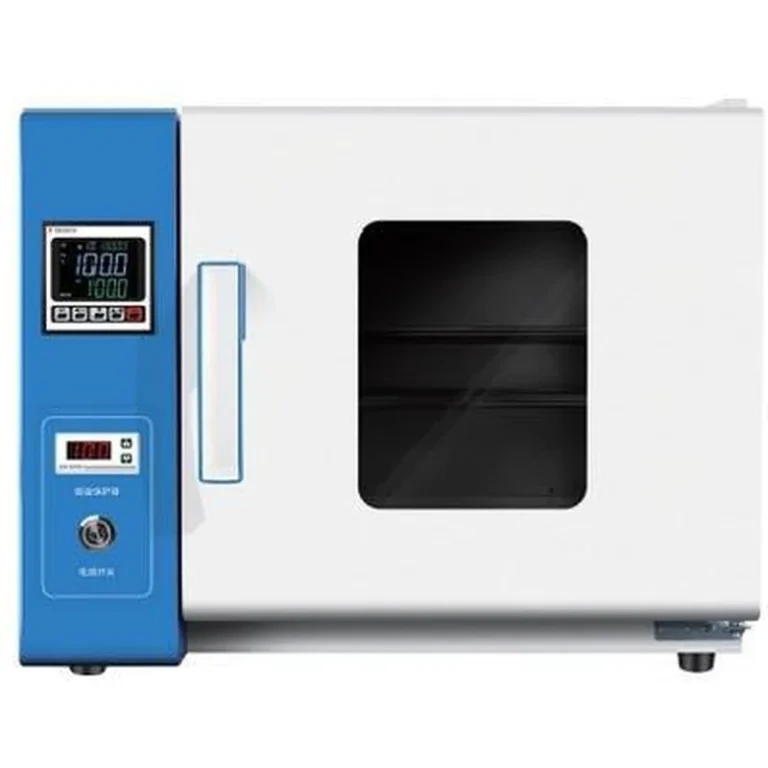
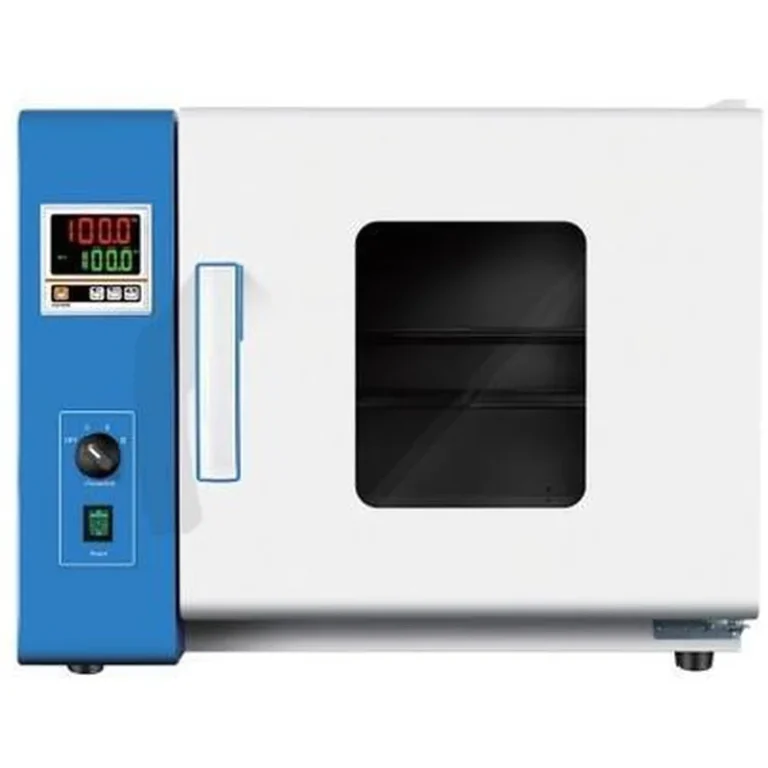
Chamber, controls and cycle functions of the sterilizer series.
Add category-specific video covers, titles, durations and video URLs in the Videos ACF section.
The questions buyers ask most often when specifying Dry Heat Sterilizers, answered by our technical team.
The standard cycles are 160°C for 2 hours or 180°C for 30 minutes. The timer starts when the load reaches temperature; the RDS timer-with-hold function keeps the chamber at setpoint for the full dwell.
Yes — that is its primary duty. Flasks, beakers and pipettes come out dry, sterile and spot-free, with no drying step and no autoclave residue.
Yes. Dry heat uses hot air and no moisture, so it suits glassware, metals, powders and oils that steam would rust, wet or spoil. Autoclaves are faster for wrapped kits and fabrics — most facilities use both.
The RDS series offers 70L, 136L and 210L chambers — benchtop footprint at the smaller end, with shelving for full instrument trays at the top.
Yes: a digital timer with hold, an over-temperature alarm on an independent circuit, and a cycle-end buzzer so the load comes out the moment it is done.
Tell us the loads you sterilize, the cycles your protocol requires and the space you have. We will confirm the size, documentation and lead time.